The State of Play with New York’s Medical Aid in Dying Act
Q&A with David Hoffman
Recently, we’ve received a number of questions about the status of New York’s Medical Aid in Dying Act (S138). It can be tricky to navigate the legislative process in any state, especially one as complex as New York. David N. Hoffman is a clinical ethicist, healthcare attorney, and Senior Advisor to the Completed Life Initiative. Below, he answers some of the important questions we’ve been getting about the bill. Here’s what you need to know.

The New York State Assembly and the New York State Senate both passed, and Governor Hochel signed, the New York Medical Aid in Dying (MAID) Act, which went into effect on August 5, 2026. What does this legislation do now that it is law? How can New Yorkers now access MAiD?
D.H. Now that New York’s Medical Aid in Dying Act (S138) has gone into effect, physicians are permitted to prescribe life-ending medication to be self-administered by decisionally-capable adult patients with a terminal illness and six months or less to live. This additional tool in a physician’s toolbox, which we can think of as the final component of palliative care, will enable a physician to explain all of the care options medically available to them and support a patient’s decision about which course of end-of-life care is appropriate for a particular patient.
There is a lot of work to be done now that New York has enacted the MAID Act into law. New York State has over 20 million residents. If just a small fraction of the population seeks advice and counseling regarding end-of-life care and medical aid-in-dying, the medical community—doctors, nurses, pharmacists, counselors—will all need training to properly advise terminally ill patients and their families on their options.
When did the N.Y. MAiD law officially take effect?
D. H. After being passed by the New York State Senate and Assembly, the bill was officially signed into law by Governor Hochul on February 6th, 2026 and went into effect statewide on August 5, 2026. This means the legal framework for patients to request and access medical aid-in-dying is currently active.
What was Governor Hochul’s stance on medical aid-in-dying leading up to the bill’s signing?
D. H. While the governor initially made a number of indirect statements about the medical aid-in-dying law including urging advocates to “get the bill to her desk,” she ultimately decided to sign the bill into law once the senate and Assembly sponsors agreed to a series of “additional safeguards”. Because the Governor is running for re-election in 2026, every decision she makes, including her decision to sign this bill, is filtered through the lens of her re-election efforts.
Who is leading the opposition against the legislation in New York State?
D.H. The most vocal opponents to New York’s medical aid-in-dying bill are the New York State Catholic Conference and a subset of the organizations that advocate for the rights of persons with disabilities. The Catholic Conference is an independent organization (not part of the church leadership that advocates for its idea of Catholic values. As with other socially controversial issues, the lay members of the Catholic Church hold a wide variety of views on medical aid-in-dying.
Certain disability rights organizations oppose giving physicians and terminally ill patients the right to evaluate the use of medical dying at the end of life because they believe it creates a risk that persons with disabilities will feel pressured to utilize medical aid-in-dying because other people think their life is not worth living. This concern has been heavily researched and there are no documented cases of any person in the United States with a disability obtaining a medical aid-in-dying prescription because they were subjected to coercion or undo influence.
You’re an expert on MAID related issues and a New York resident. What do you think ultimately drove the success of this legislation?
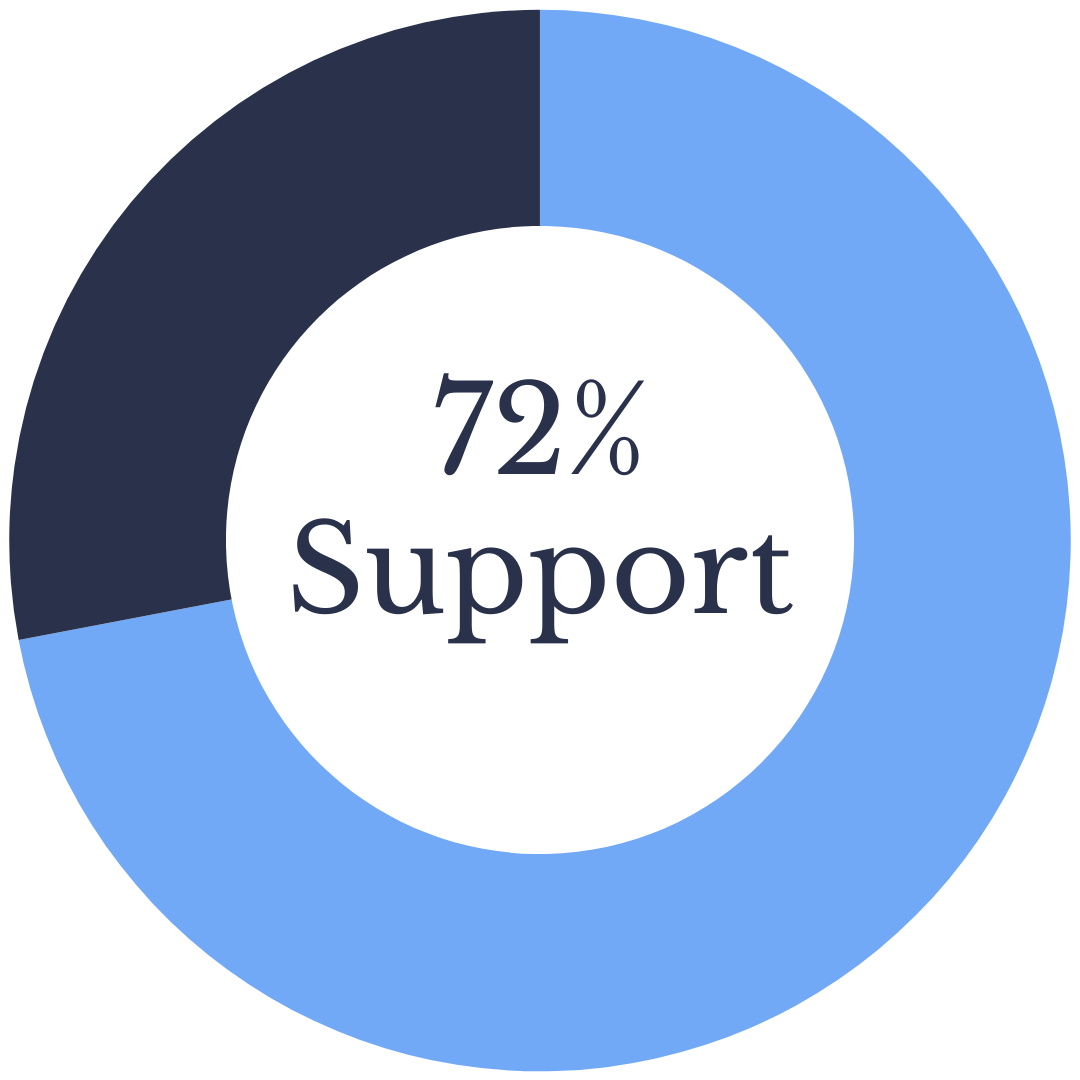
D. H. I believe Governor Hochul signed New York’s medical aid-in-dying bill because she knows that 72% of New York residents support making this end-of-life choice available to terminally ill patients. She also concluded that, with the additional safeguards she insisted on, the NY MAiD law is the best and safest MAiD law in the country You can learn more about this issue from our partners at End of Life Choices New York (EOLCNY.ORG).